Minority Rights and Interculturalism in Focus of the Third Module of the School of Political Studies
- Posted: 23. February 2026.
- By: SPS Admin
- Category: Uncategorized
Interculturalism is not merely a declarative value but a living, everyday process of building trust among people. Although legal norms and institutional frameworks provide an important foundation, their true strength is demonstrated only when they become part of everyday social practice. This was one of the key conclusions of the Third Module of the School of Political Studies, entitled “Minority Rights through Inclusive Policies in a Democratic Framework,” held from 20 to 22 February in Ulcinj.
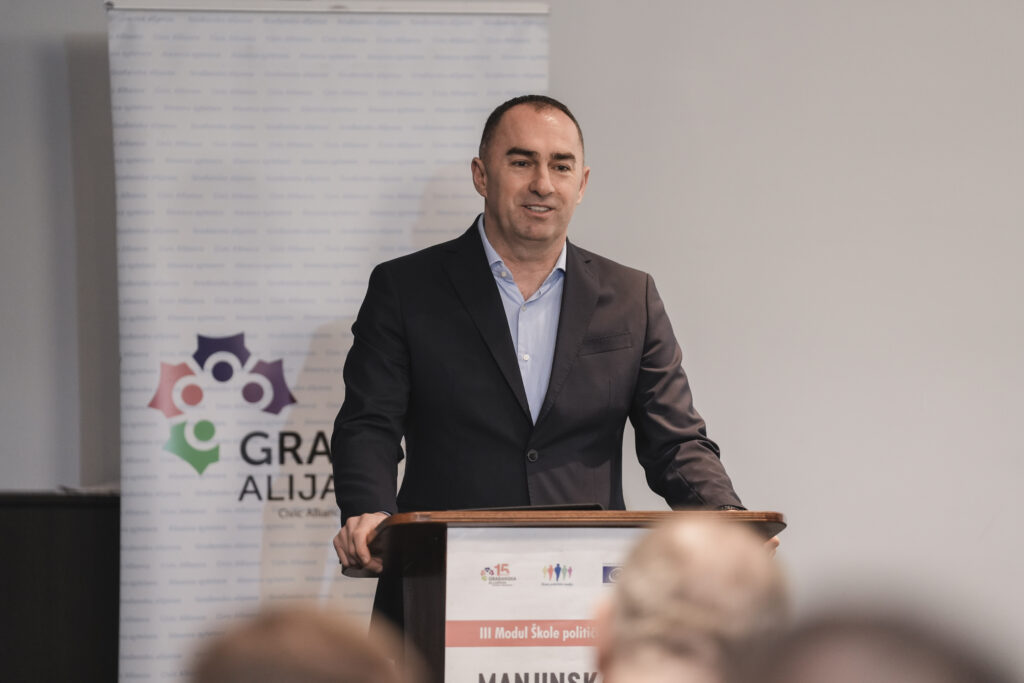
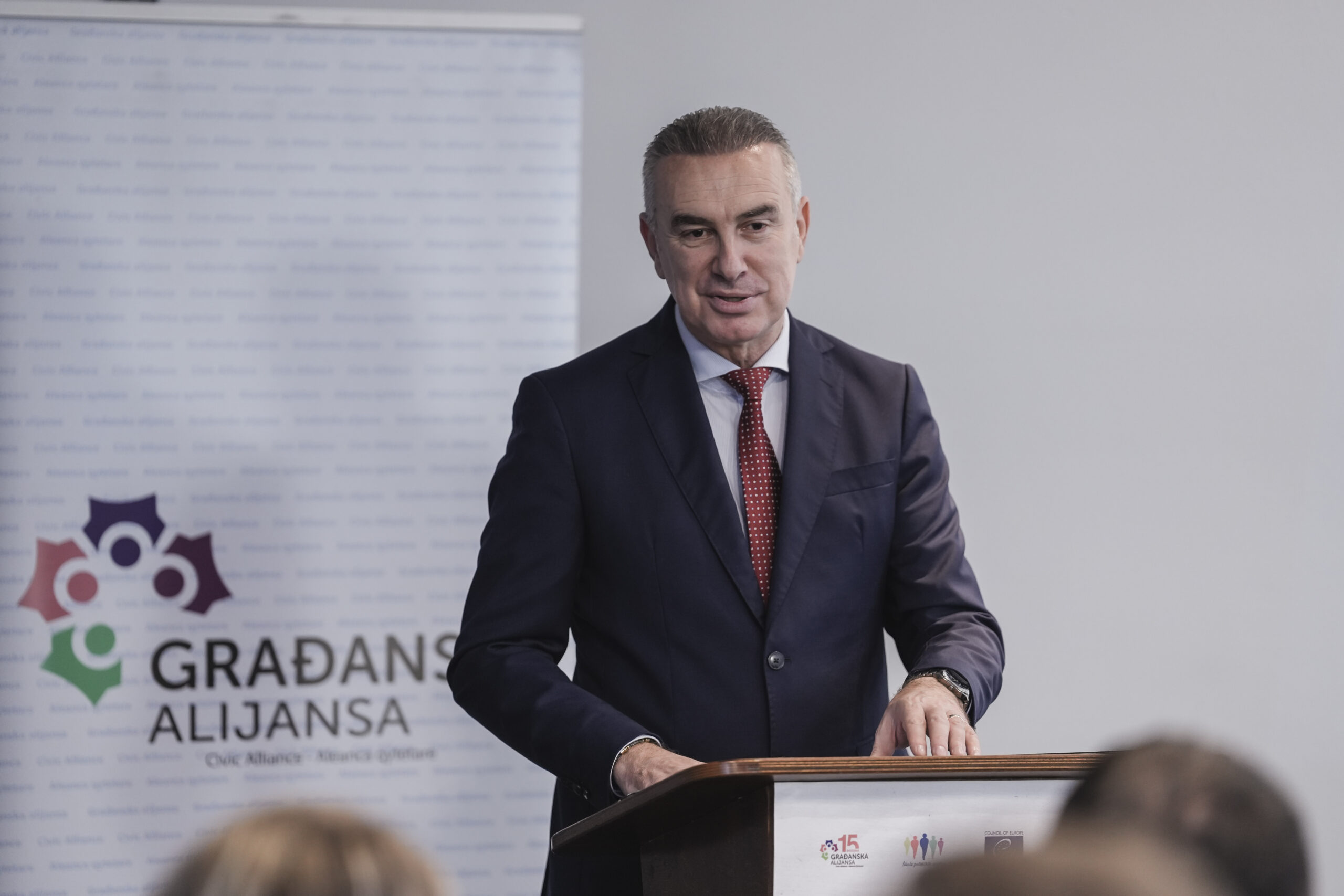
The module was opened by the Minister of Human and Minority Rights, Fatmir Gjeka, who stressed that the strength of democracy is measured by the way it protects diversity. He noted that, in a time of increasing polarisation and global challenges, respect for and protection of minority rights have become a test of democratic resilience. He concluded by emphasising that inclusion policies are not merely about protecting minorities, but about the quality of democracy itself, encouraging participants to approach minority rights as a horizontal value that should permeate every social and political decision.
The programme continued with a presentation by Milena Vukotić from the Statistical Office of Montenegro (MONSTAT), who outlined the diversity of Montenegrin society through data from the latest population census. The analysis covered ethnic and religious affiliation, mother tongue, citizenship by ethnic affiliation, and the language most commonly spoken. The data confirmed the complex and multi-layered identity of Montenegrin society.
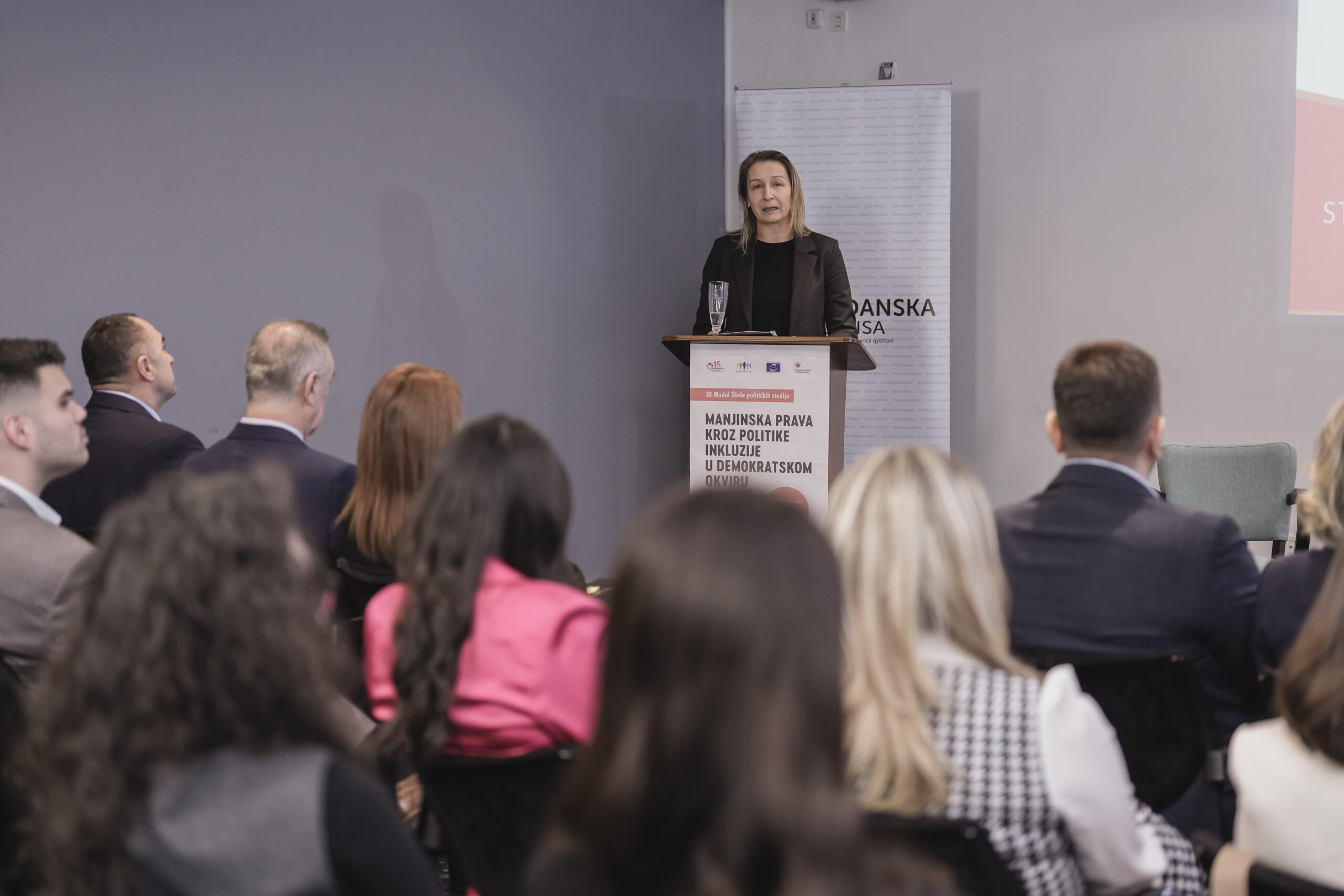
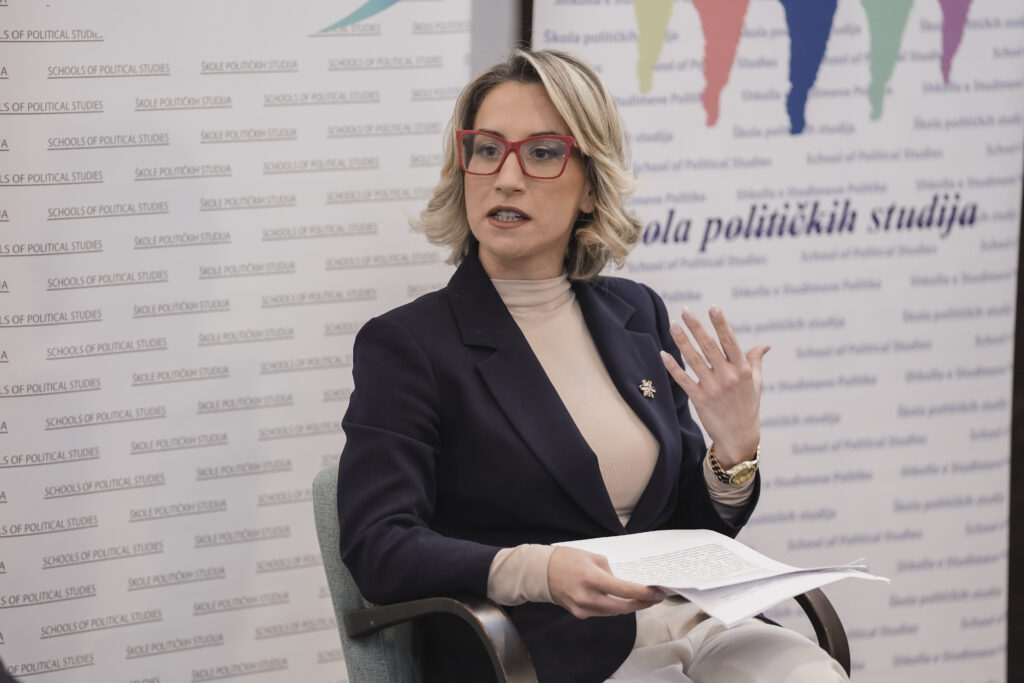
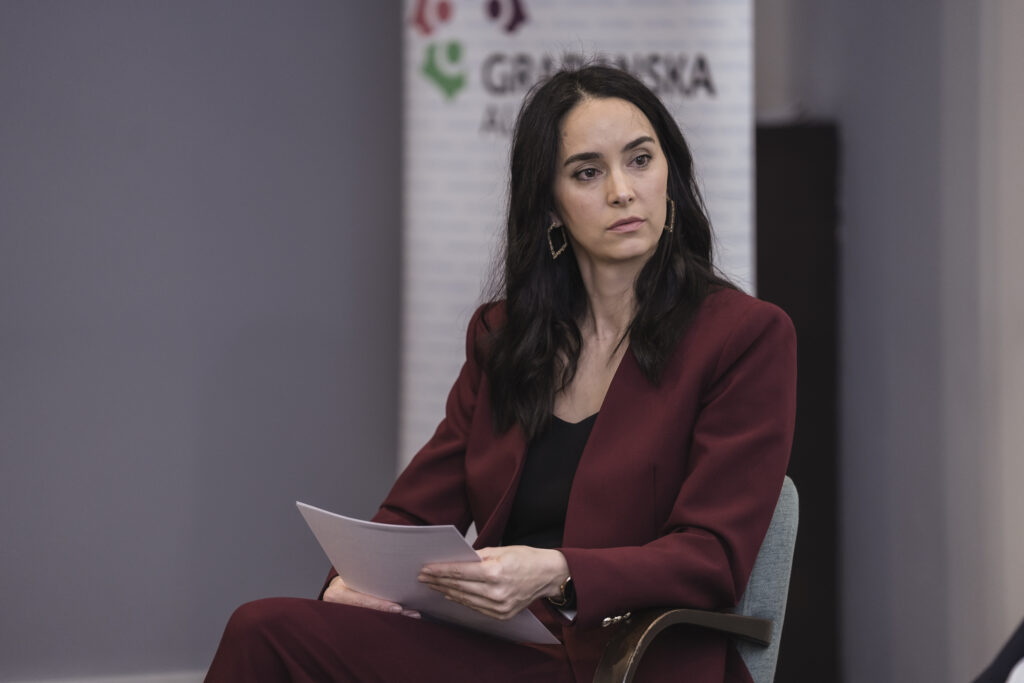
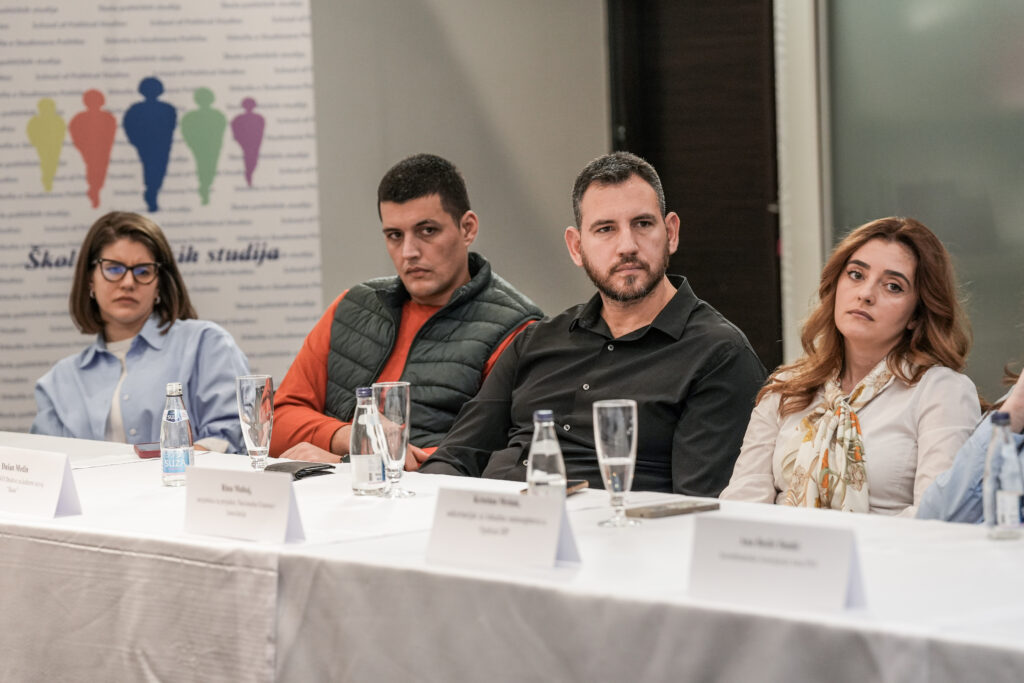
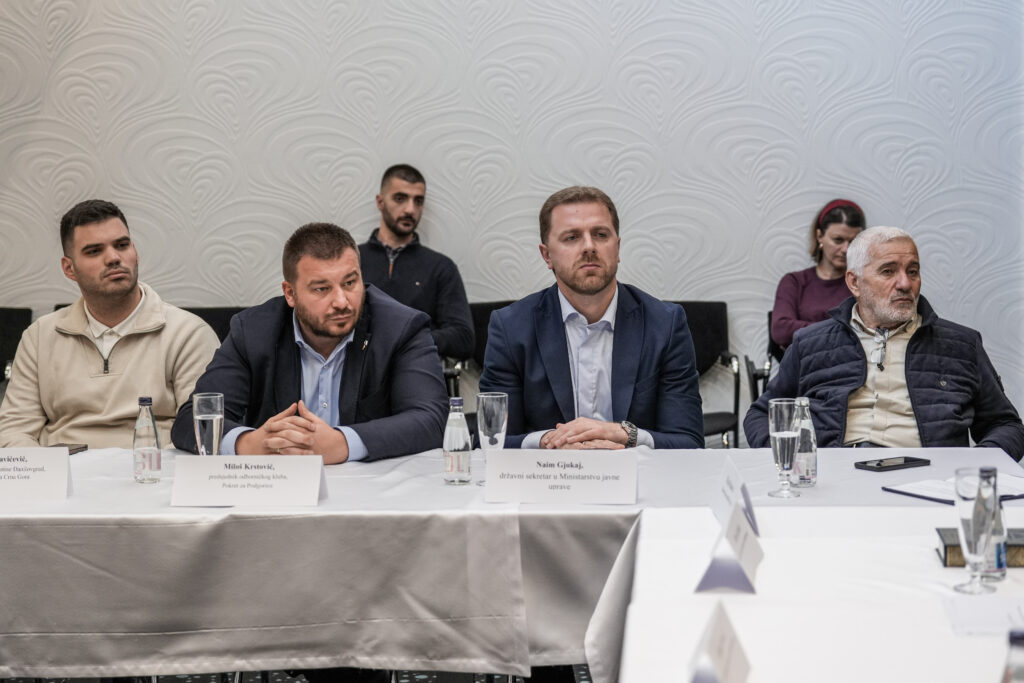
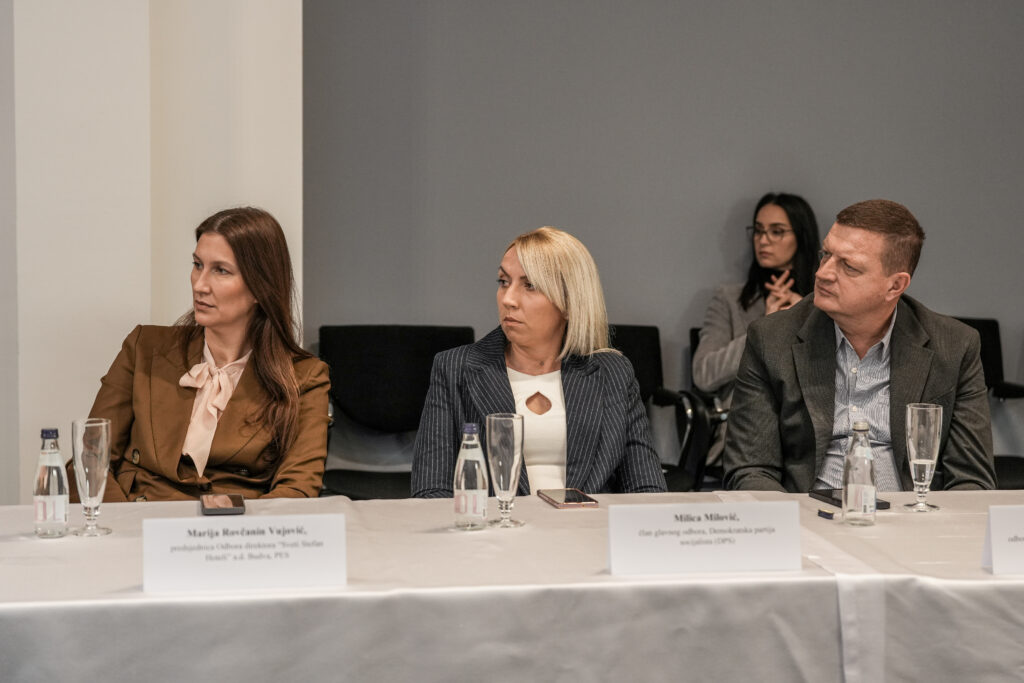
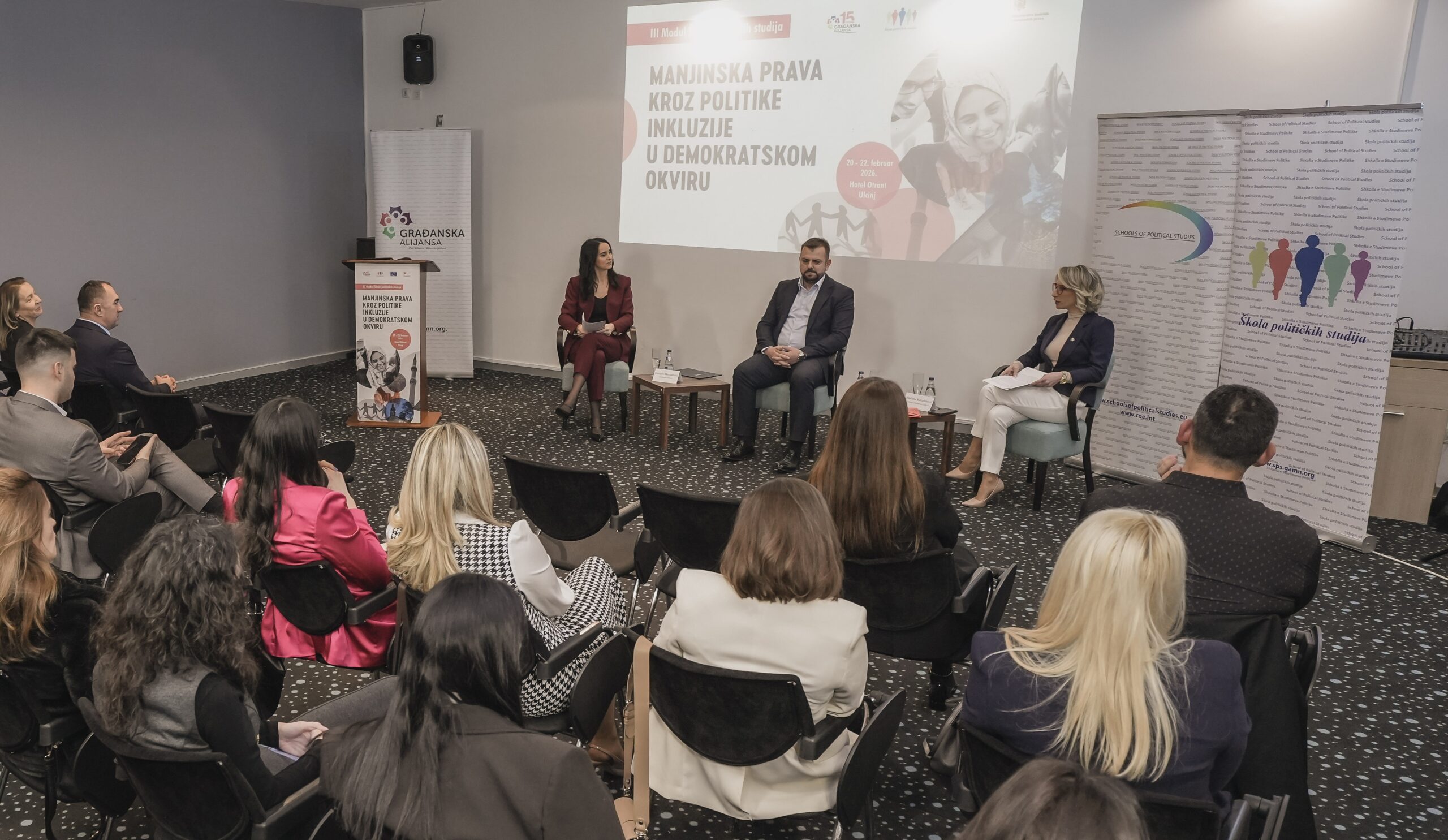
The opening day concluded with the panel discussion “Between Norms and Reality – How Politicians Perceive Interculturalism and Minority Rights in Montenegro.” The panel featured Jasmin Ćorović, Member of the Parliament of Montenegro from the Bosniak Party, and Slađana Kaluđerović, Member of Parliament from the Socialist People’s Party.
The discussion addressed whether minority rights are viewed in today’s political context as a cornerstone of a democratic society, a political obligation, or a matter of balancing identities. Particular attention was given to the relationship between the legal framework and everyday social reality, exploring where Montenegro currently stands between formal standards and practical implementation.
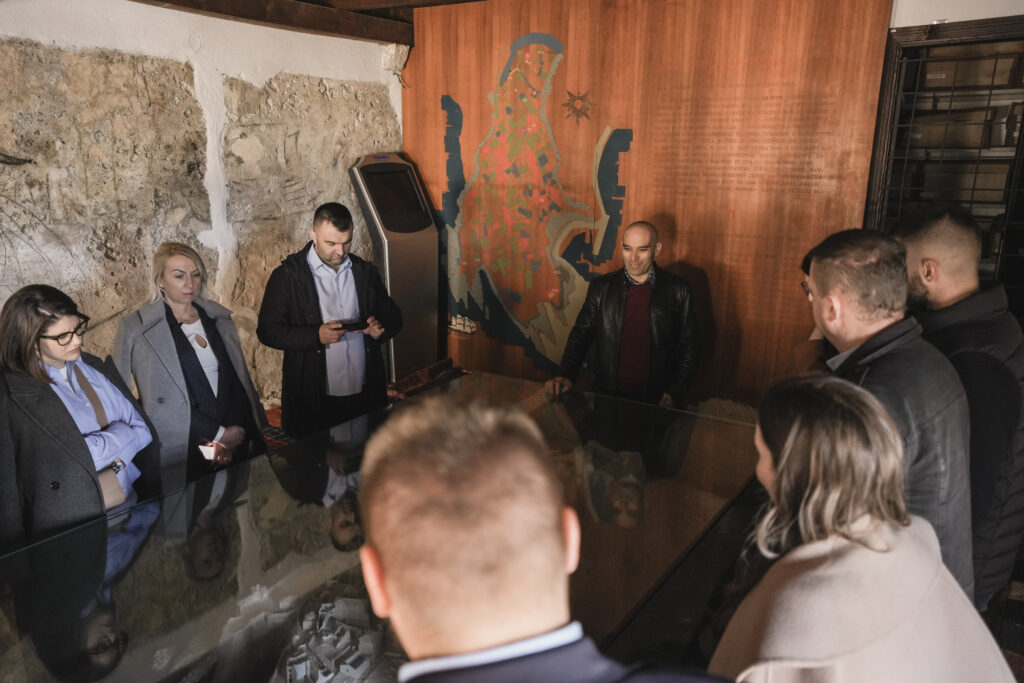
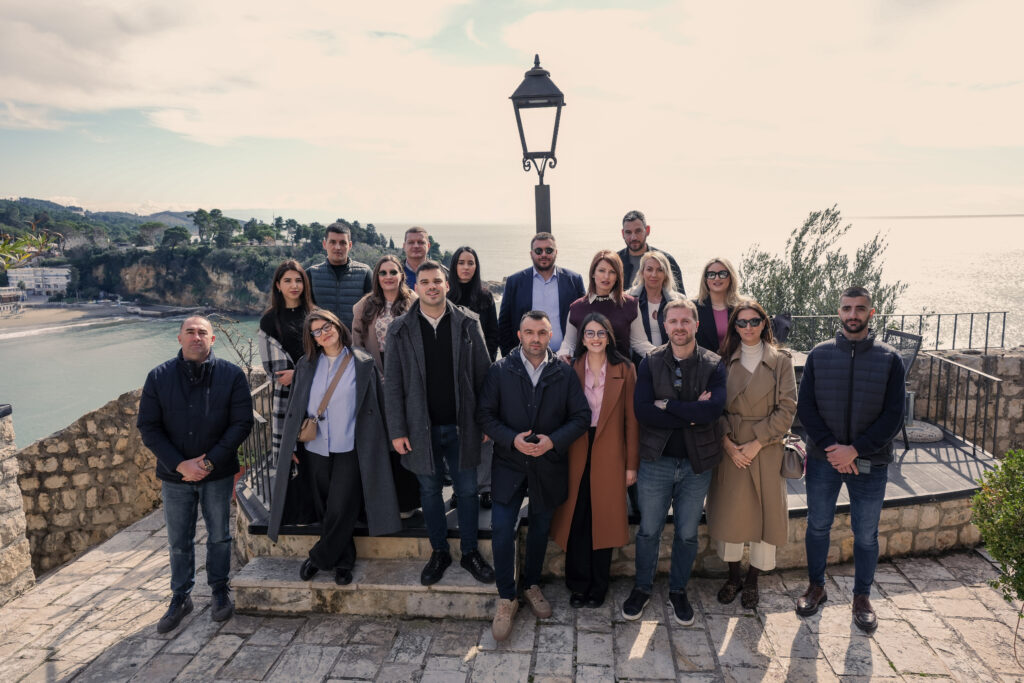
During the second and third days of the module, participants took part in a study visit to the Old Town of Ulcinj, where they explored the area’s rich historical and cultural heritage and the layered history of a city that has, for centuries, served as a meeting point of different cultures and civilisations. The visit also included the Church of St. Nicholas and the Central Mosque, symbolically highlighting the tradition of coexistence and religious diversity.
As part of the panel “The Strength of Faith and Coexistence in Building Intercultural Understanding and Community,” participants spoke with Gojko Perović, Archpriest-Stavrophore of the Serbian Orthodox Church, and Omer Kajoshaj, Assistant to the Reis for International Relations of the Islamic Community. Following the discussion, a joint iftar was organised as a symbol of mutual respect and dialogue.
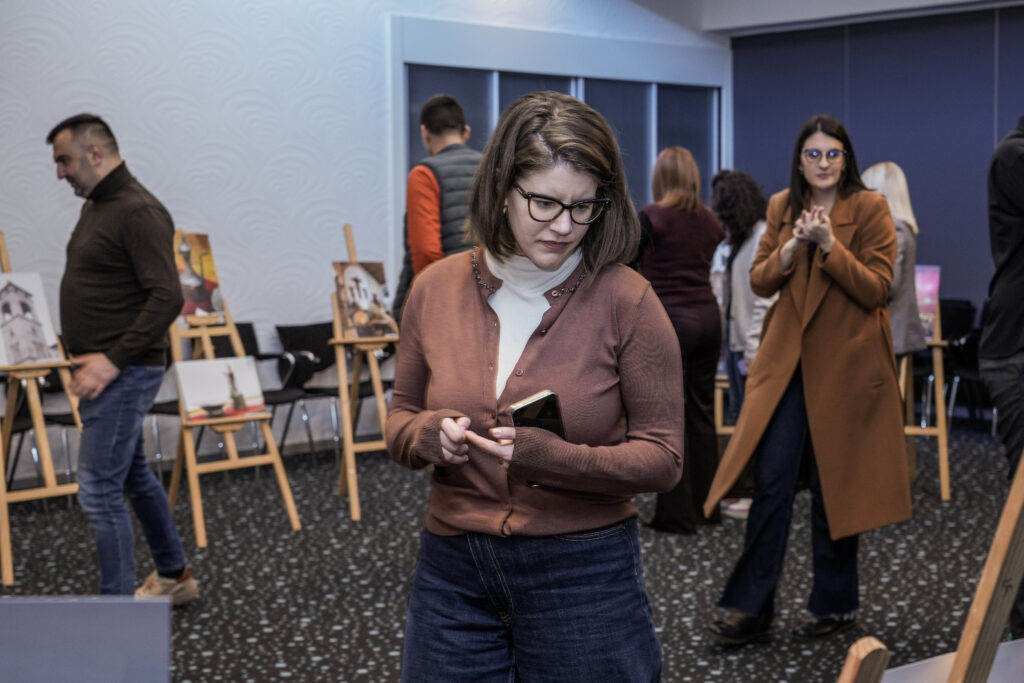
The module concluded with the presentation of the photo exhibition “Minority Communities Through the Lens of Youth,” which showcases the identity of minority communities in Montenegro and the social context in which they live through the authentic perspectives of young photographers.