The Legacy of the Past and the Responsibility of Young Leaders for the Future
Over the past two days, participants of the 23rd Generation of the School of Political Studies, together with the programme’s alumni, took part in a study visit to Sarajevo and Srebrenica entitled “The Legacy of the Past and the Responsibility of Young Leaders for the Future.”
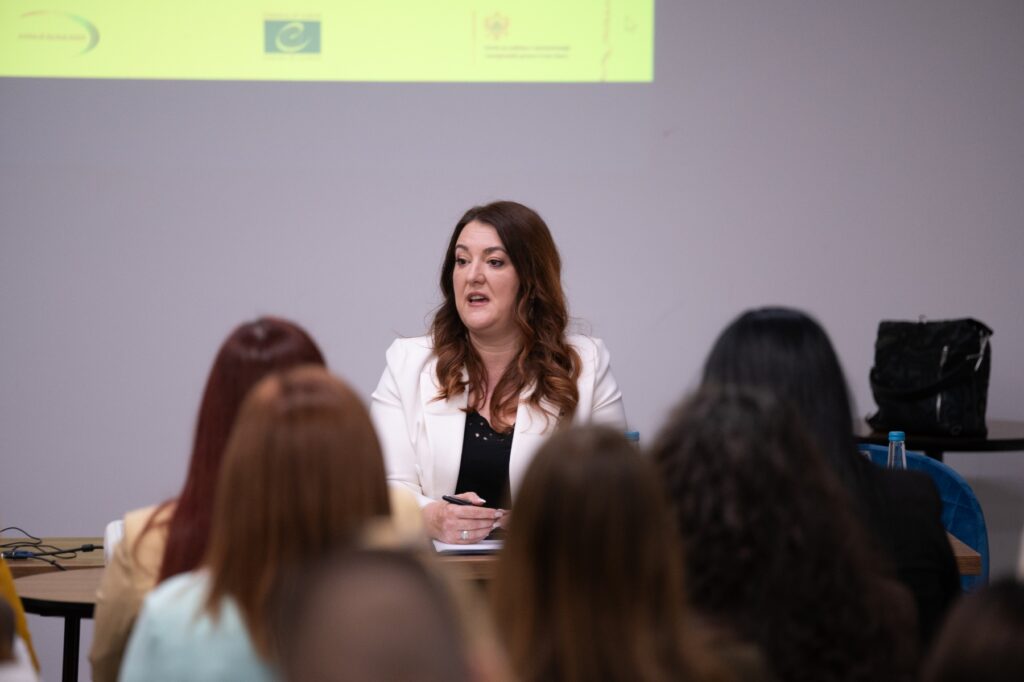
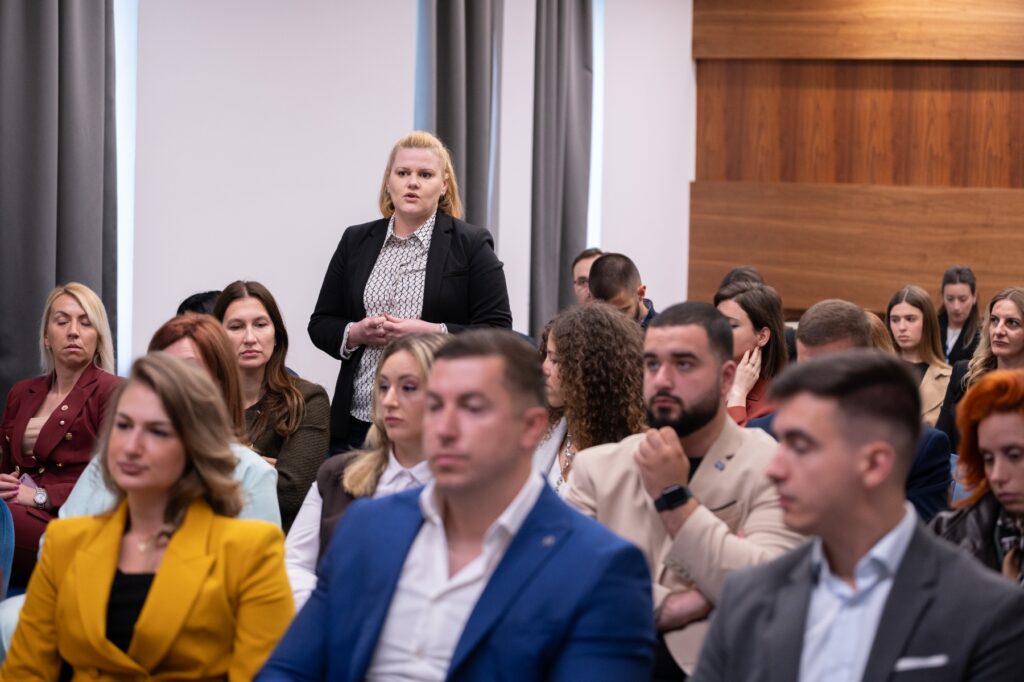
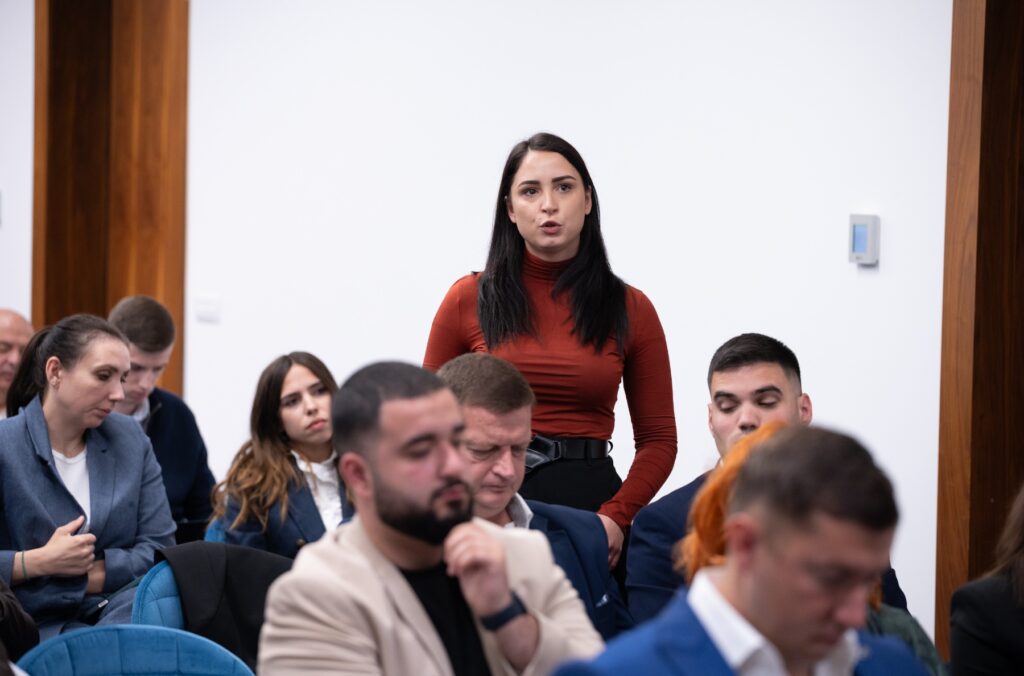
The purpose of the study visit was to create, through dialogue and the exchange of experiences with participants of the School of Political Studies of Bosnia and Herzegovina, a space for discussing whether new generations can build a more stable and democratic future, as well as the responsibility of young leaders today in fostering dialogue, trust, and better neighbourly relations across the region.
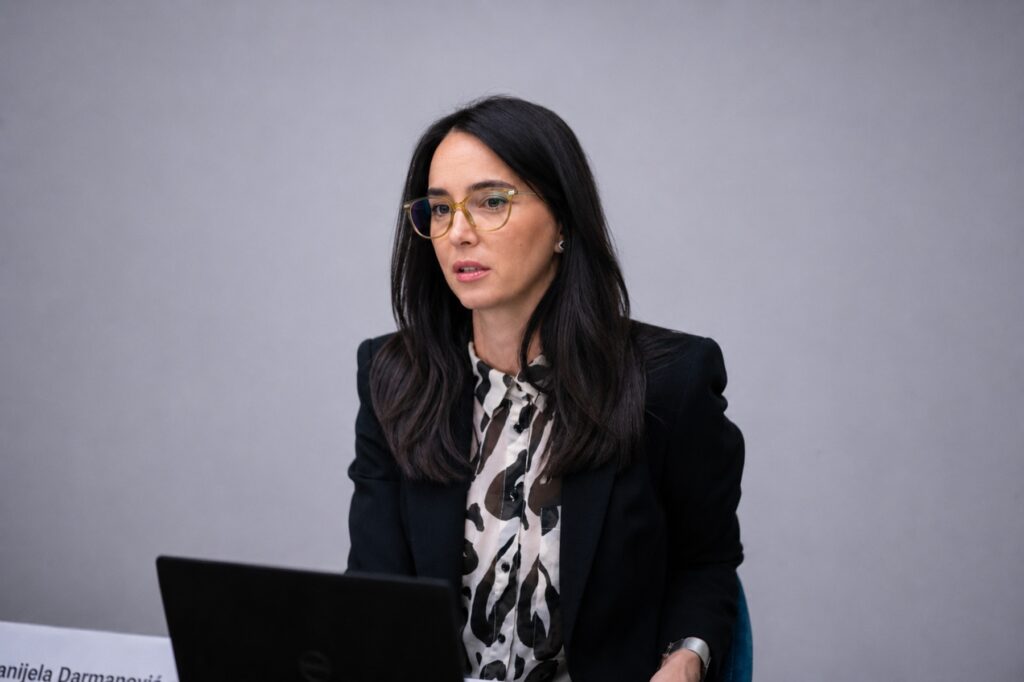
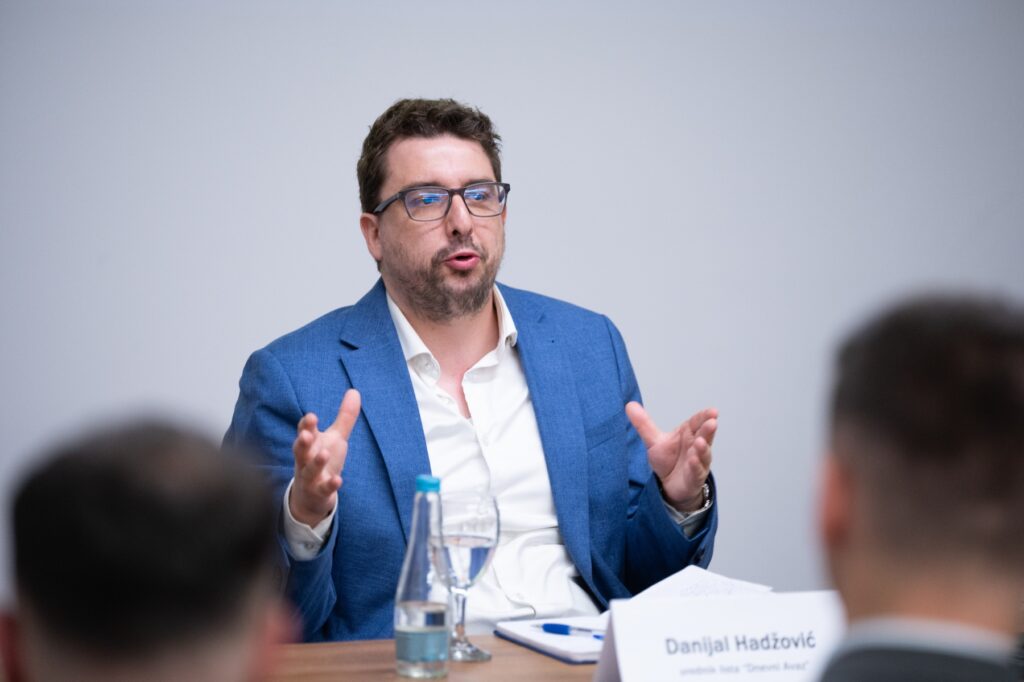
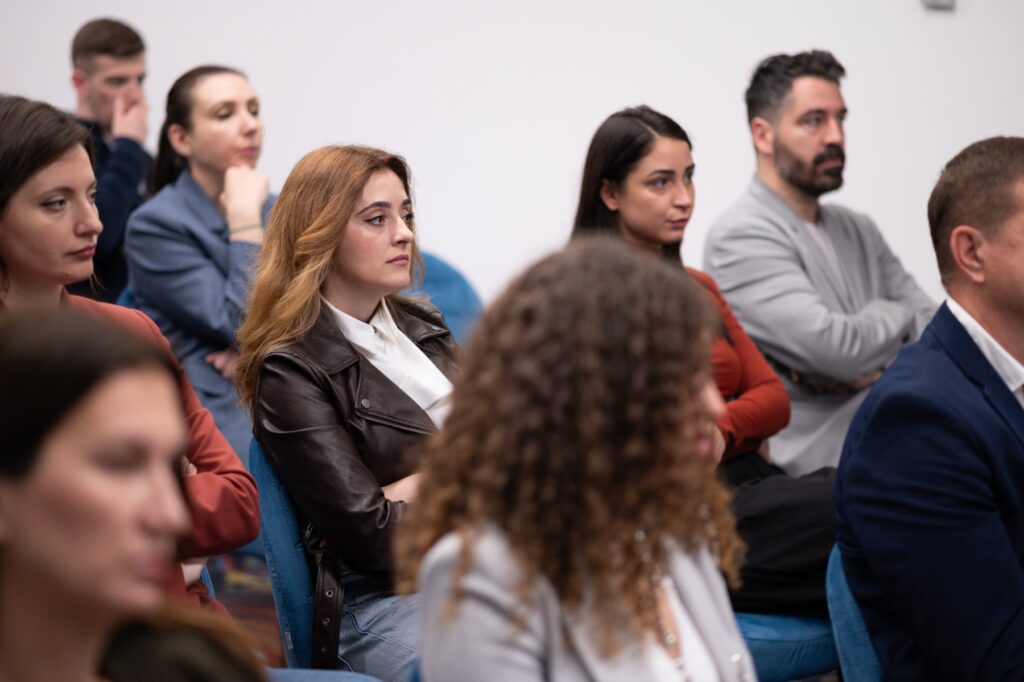
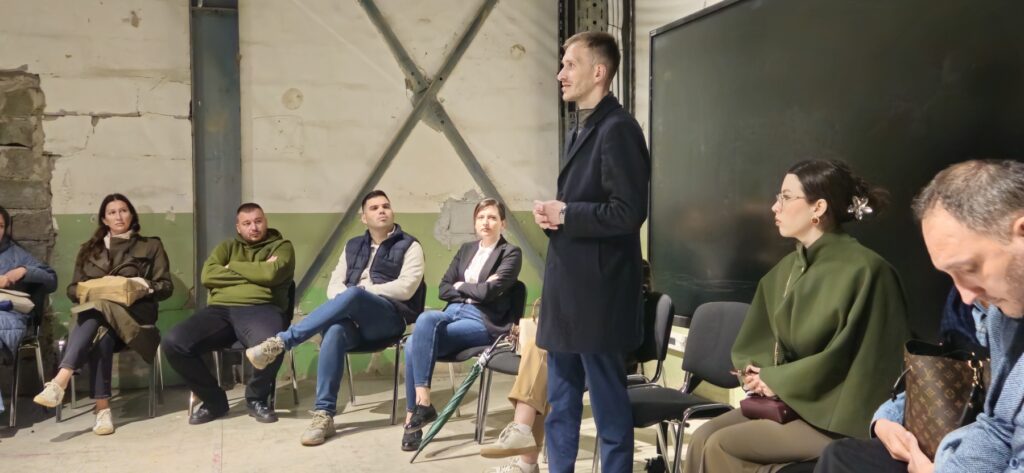
On the first day of the programme, two panel discussions were held. The panel “The Consequences of War: Between Politics, Justice and Humanity” featured Emza Fazlić, Adviser to the Board of Directors of the Missing Persons Institute of Bosnia and Herzegovina, and Danijal Hadžović, Editor of the daily newspaper Dnevni Avaz. The discussion focused on the consequences of the wars of the 1990s, the process of searching for missing persons, the way societies across the region relate to the wartime past, and the role of the media and institutions in dealing with the past and fostering a culture of remembrance.
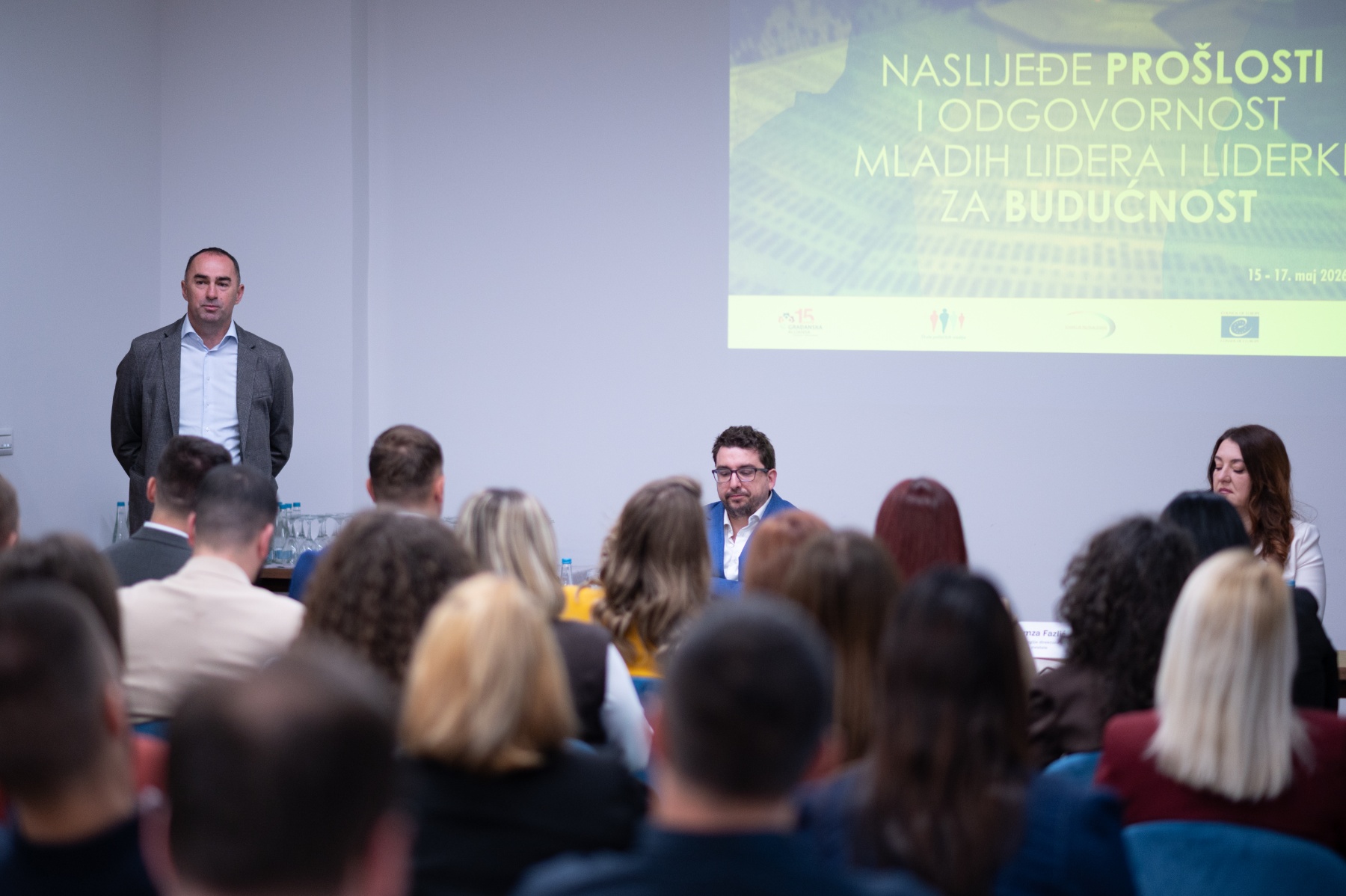
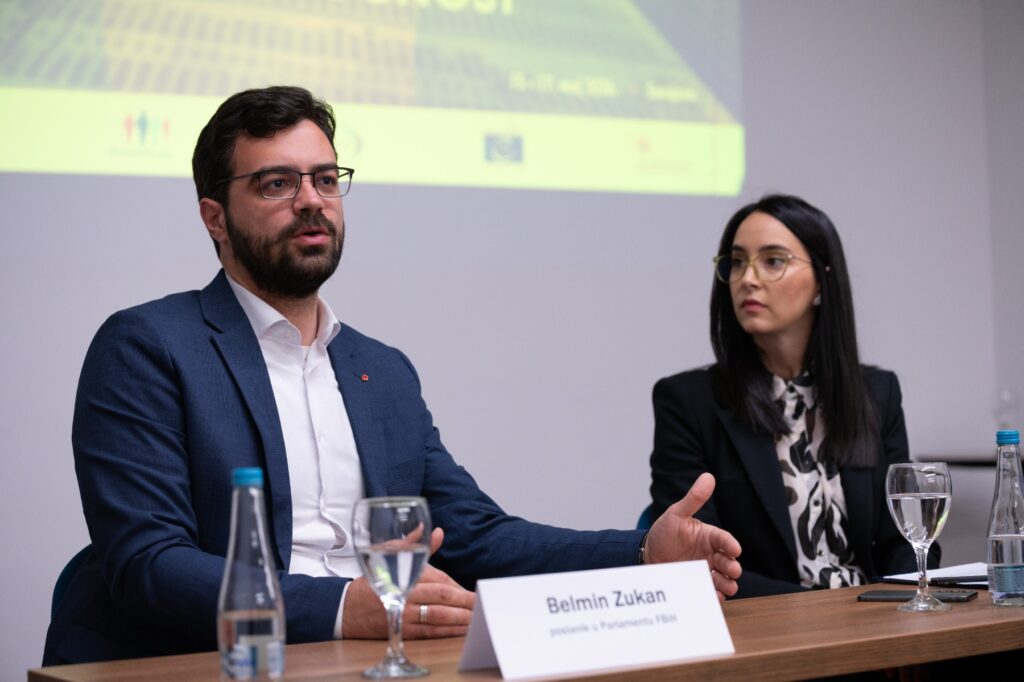
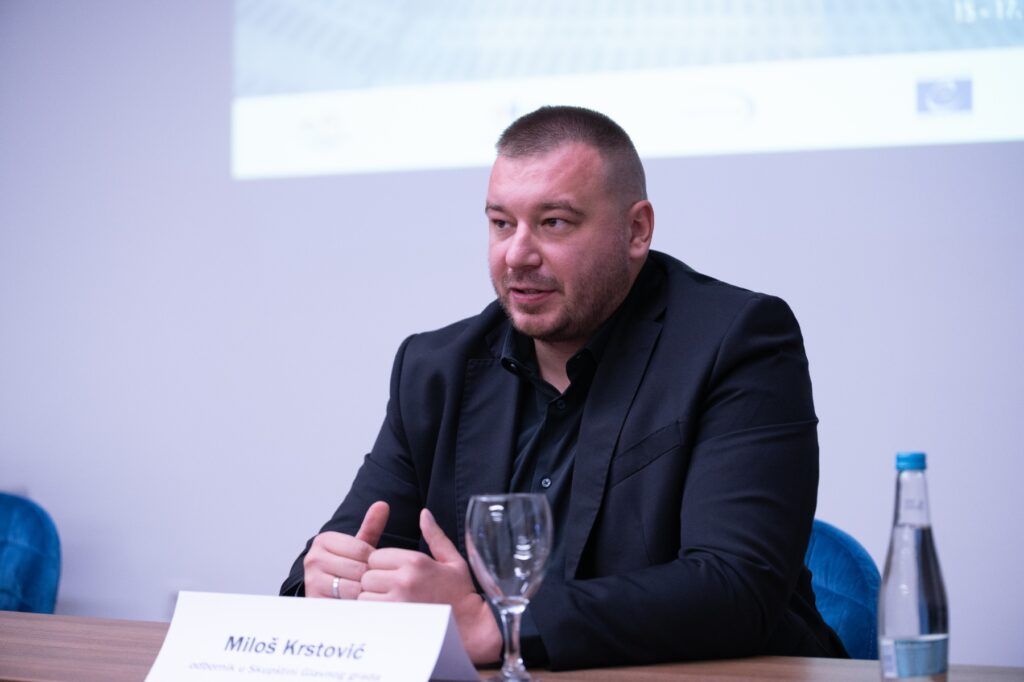
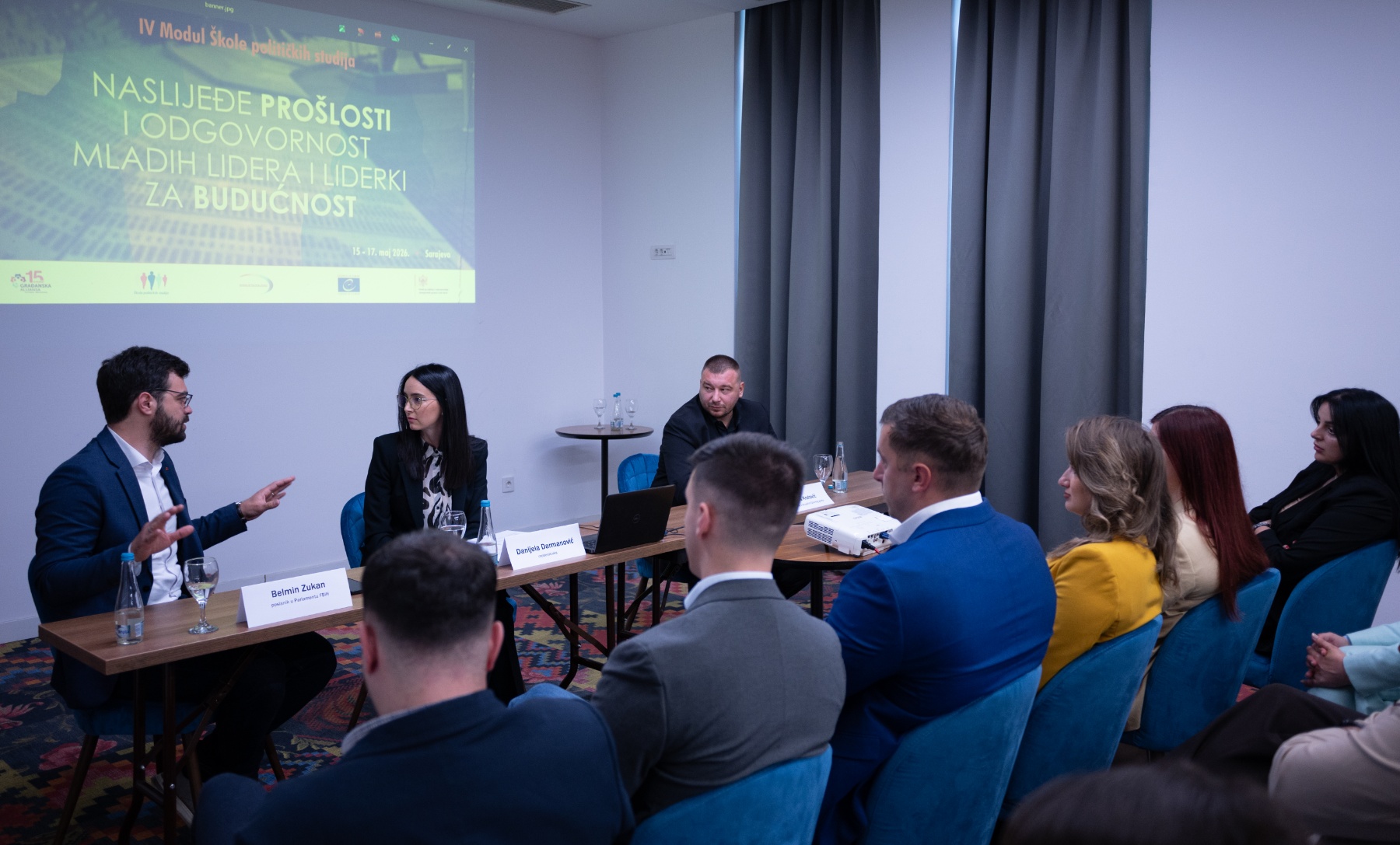
The second panel, entitled “The Legacy of the Past and the Responsibility of Young Leaders for the Future,” featured Belmin Zukan, Member of the Parliament of the Federation of Bosnia and Herzegovina, and Miloš Krstović, Member of the Assembly of the Capital City of Montenegro. The discussion explored the extent to which the wartime past continues to shape the political and social landscape of the region, how political elites continue to instrumentalise issues from the past, whether young people have access to objective information about the wars of the 1990s, and how a new generation of politicians can contribute to building different regional relations based on dialogue, cooperation and mutual understanding.
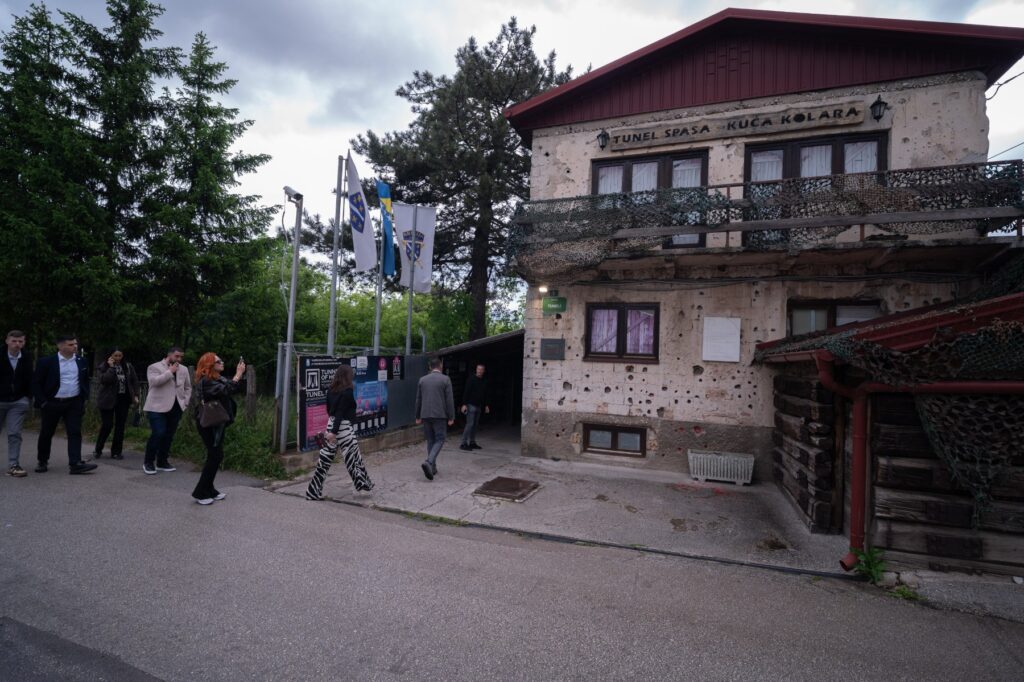
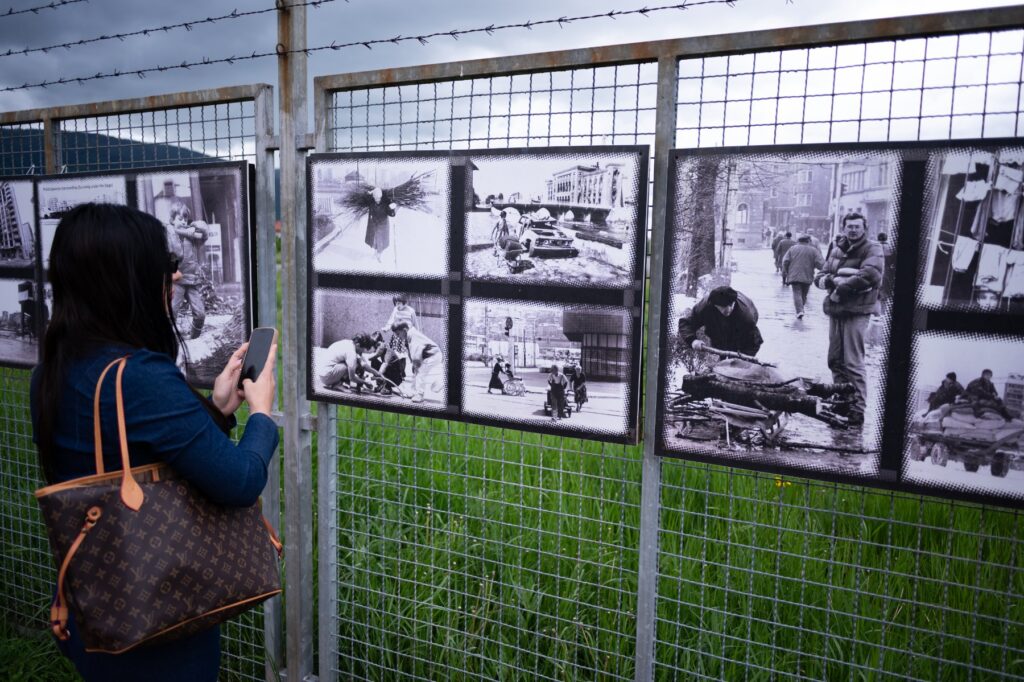
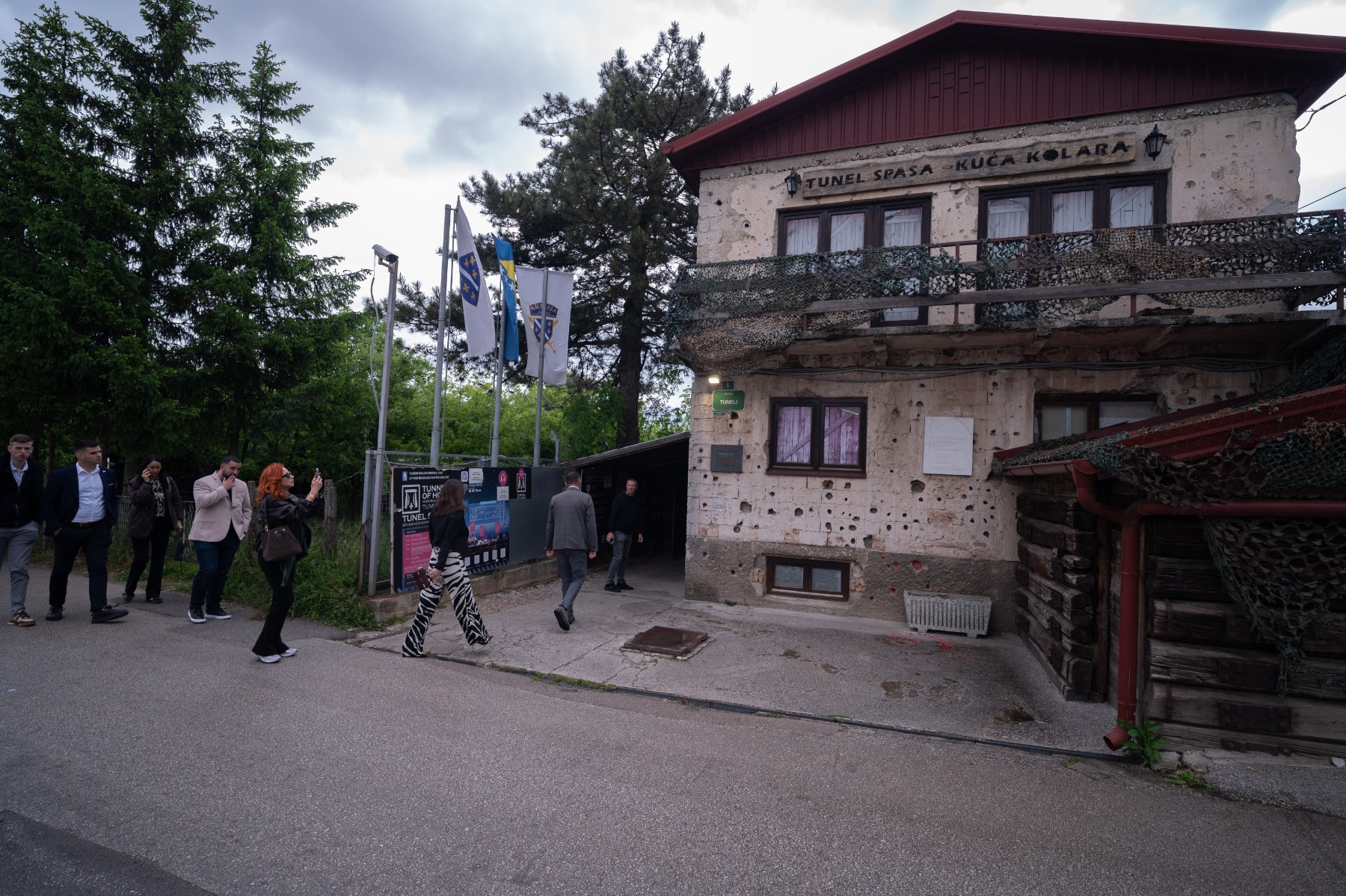
As part of the study visit, participants also visited the Tunnel of Hope and toured Sarajevo, where they had the opportunity to learn more about the city’s history and the daily lives of its citizens during the Siege of Sarajevo.
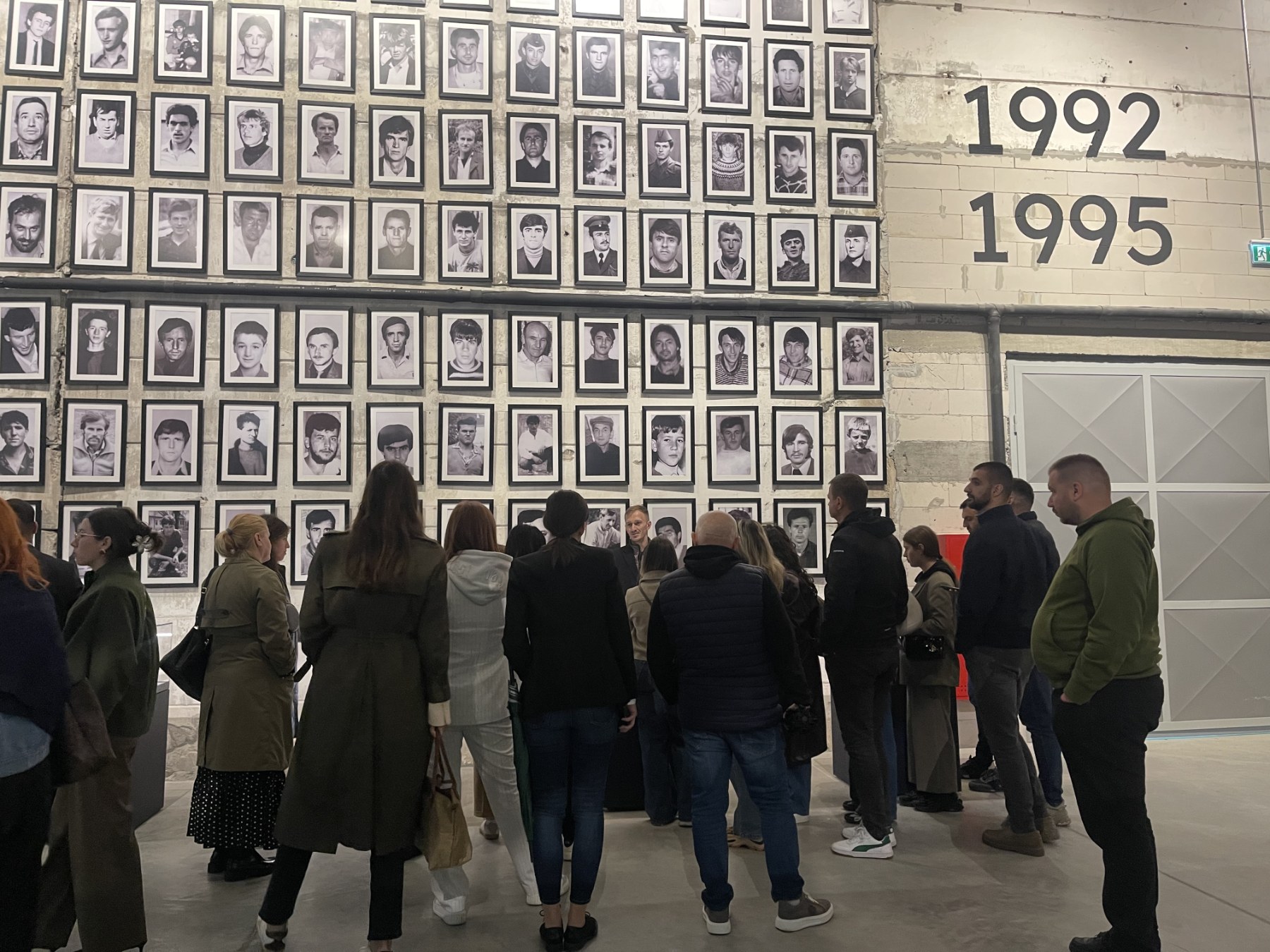
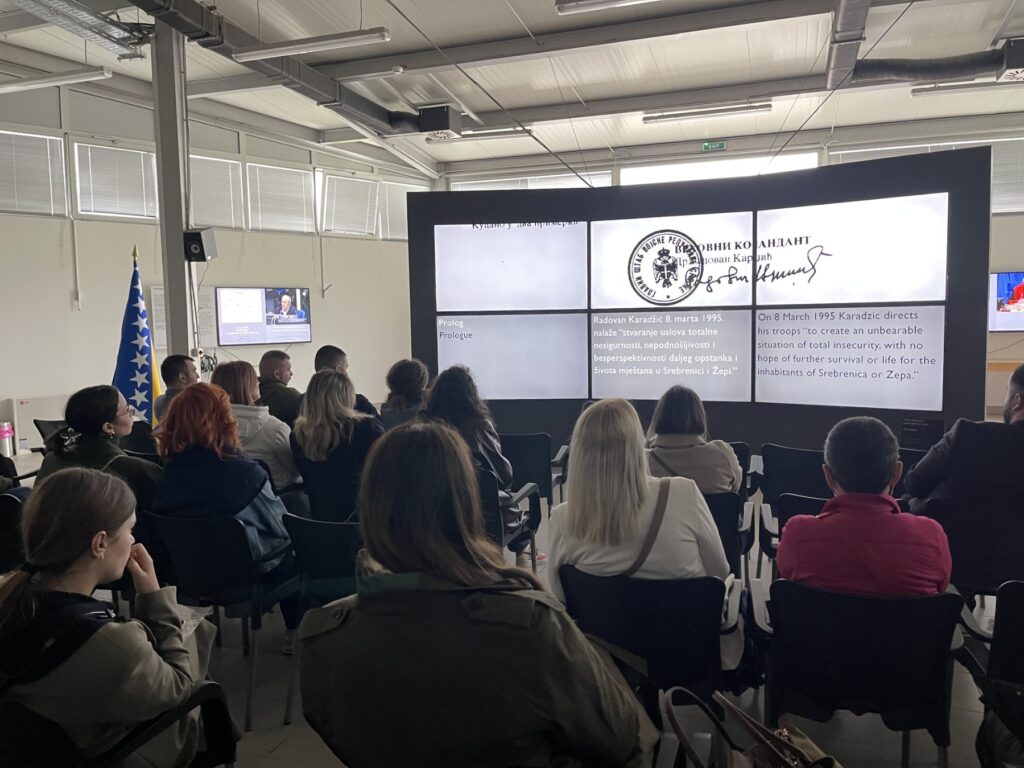
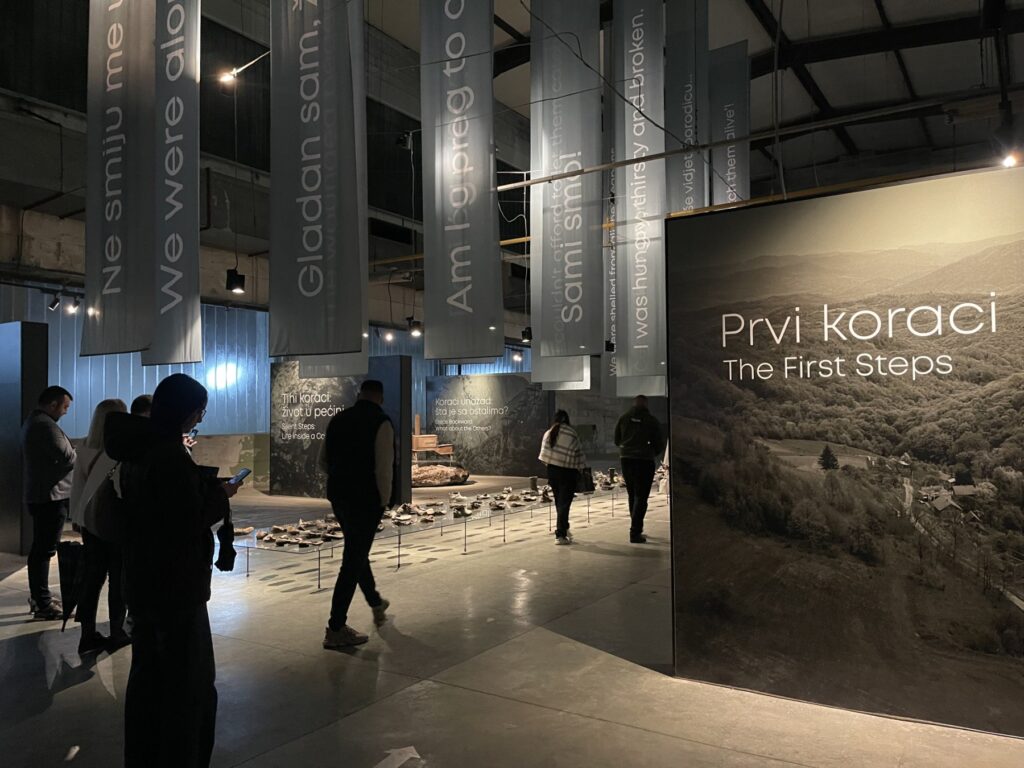
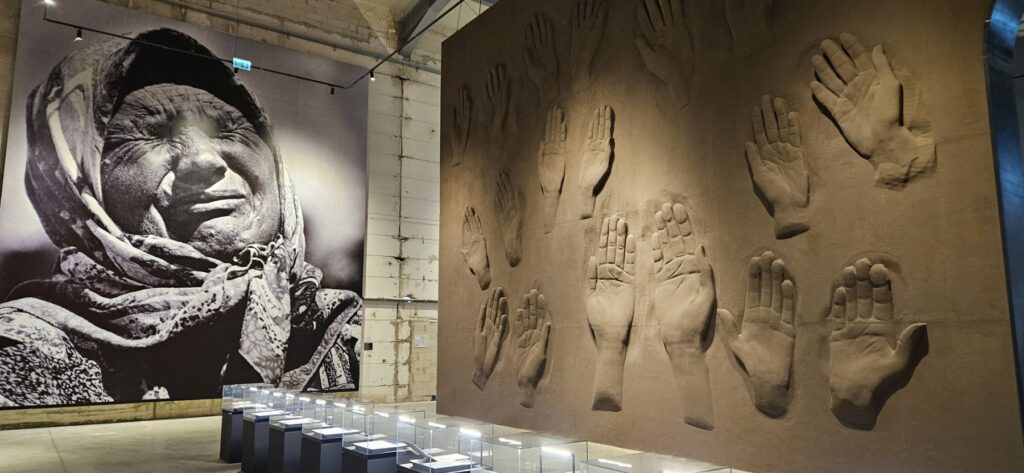
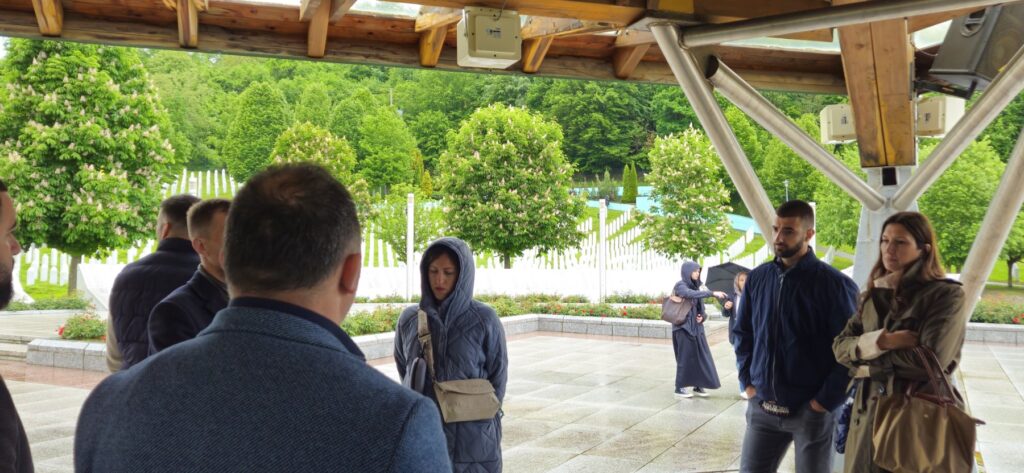
On the second day, the group visited Srebrenica and the Srebrenica-Potočari Memorial Centre, where participants toured the memorial exhibitions and cemetery dedicated to the victims of the Srebrenica genocide. Through archival materials, testimonies and museum exhibitions, participants gained a deeper understanding of the events of July 1995, as well as the importance of preserving a culture of remembrance, confronting the past, and safeguarding judicially established facts at a time of growing historical revisionism and denial of war crimes across the region.